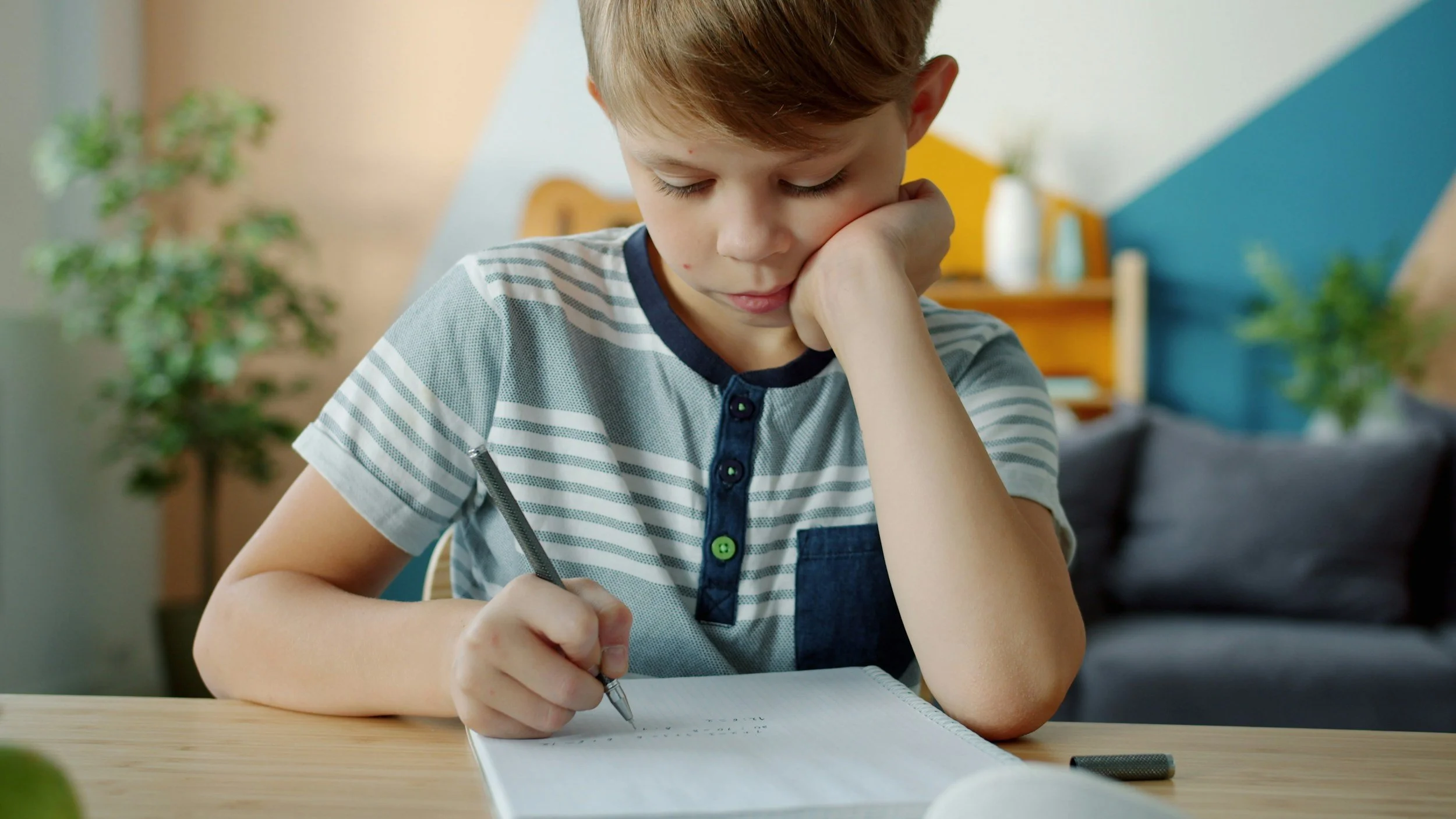
5 Signs Your Sensitive or Neurodivergent Child Might Benefit from Coaching
Maybe it looks like this: you're standing at the door ready to leave for school at 7:45am, watching your kid melt down over an uncomfortable sock seam. Or you're picking up your child from a birthday party twenty minutes early because they hit a wall.
Do you just have this quiet, nagging sense that your kid is working so much harder than everyone around them to get through an ordinary day?
If any of that sounds familiar, you're not imagining it. Your kid isn't "too sensitive" or "too much." Sensitivity is a real, wired-in trait of what I like to call “new earth kids,” Their sensitivities do not need to be corrected. It means some kids need extra tools to navigate a world that isn't built with them in mind. That's where coaching can help. Here are five signs it might be worth exploring.
1. Big feelings that feel hard to navigate — for both of you
If your kid's reactions often feel outsized compared to what triggered them, and you find yourself constantly anticipating the next meltdown or shutdown, that's worth paying attention to. This isn't about discipline or willpower. A big emotional reaction usually means a skill hasn't caught up yet — the skill of naming a feeling, riding it out, or knowing what to do with it in the moment. Coaching gives kids a low-pressure space to build exactly that skill, at their own pace.
2. Social situations drain or overwhelm them
Maybe they avoid group settings, come home from school wrung out, or struggle to read the room and then can't quite recover when something goes sideways with a friend.
For many sensitive and neurodivergent kids, socializing takes real effort. It might seem as if they don’t want connection, but they often do. It's that the constant processing, reading social cues, navigating conversations, and figuring out what to say next can be incredibly exhausting.
This is something I see often, not only in the children I coach, but in my own daughter. Group situations can be especially challenging. She often needs someone to connect with her one-on-one before she feels comfortable joining a group, and unstructured social settings can feel overwhelming. I've learned—and believe me, I've made my share of mistakes trying to encourage (or honestly, sometimes push) her to speak more—that social confidence isn't about getting kids to "just talk more." It's about helping them understand how they connect best and giving them tools that work with their unique nervous system.
Coaching provides a safe, supportive place to practice real-life social situations, build confidence, and develop bounce-back strategies before they're needed in everyday life. When the pressure is removed, kids have the space to experiment, make mistakes, and discover that they are capable of meaningful connection in their own authentic way.
3. They're hard on themselves
Perfectionism. Giving up before they have a chance to fail. A looping inner voice that's far harsher than anything you'd ever say to them.
This is something I see in many kids, especially those who are highly sensitive or neurodivergent. They often internalize the message that they're too much, too sensitive, too different, or simply not good enough.
Coaching isn't about convincing them to "think positively" or talking them out of these feelings. As a coach I help kids build a healthier relationship with mistakes, develop self-compassion, and gradually replace that critical inner voice with one that's kinder, more encouraging, and more true. Over time, they begin to see that making mistakes is simply part of learning, growing, and becoming who they are.
4. Transitions and change throw them off
New routines, unexpected schedule shifts, the start or end of an activity — for a lot of kids these are minor bumps. For some sensitive kids, they can be genuinely destabilizing. If change knocks usually your kid off balance, coaching can help build flexible coping tools and a sense of predictability they can carry with them, even when the day doesn't go as planned.
As parents (and as a coach), we can’t make life totally predictable for our kids. What we can do is help kids trust that they have the tools to navigate whatever comes their way.
5. You sense there's more going on beneath the surface
This one's less about a specific behavior and more about a feeling you can't quite shake. Maybe your kid holds it together all day at school and falls apart the second they're home with you — a pattern known as masking, where kids expend enormous energy appearing "fine" in public and only feel safe enough to unravel with the people they trust most.
If your gut is telling you something, trust it. You know your child better than anyone else.
I remember when my daughter was attending public school. Every day I'd pick her up, and without fail she'd ask, "Mommy, why is school so long?" I'd look into her eyes and see how drained she was. The spark that had left the house that morning wasn't always there when she came home. My heart would sink because I knew she was using every ounce of energy just to make it through the day.
That was one of the moments I realized I needed to stop asking, "How can I help her fit into the world?" and start asking, "How can I help create a world that fits her?"
You don't have to wait until your child is in crisis or struggling enough to "qualify" for support. Sometimes the quiet signs are the ones that matter most. Trust your instincts.
None of these signs mean something is wrong with your kid.
They mean your kid is wired a particular way, and could use some extra tools built specifically for how they experience the world — not a generic approach borrowed from kids who are wired differently. That's the whole point of coaching: meeting your kid where they actually are.
If any of this sounds like your family, I'd love to talk. Get in touch HERE.
Sharon Marie Hudson
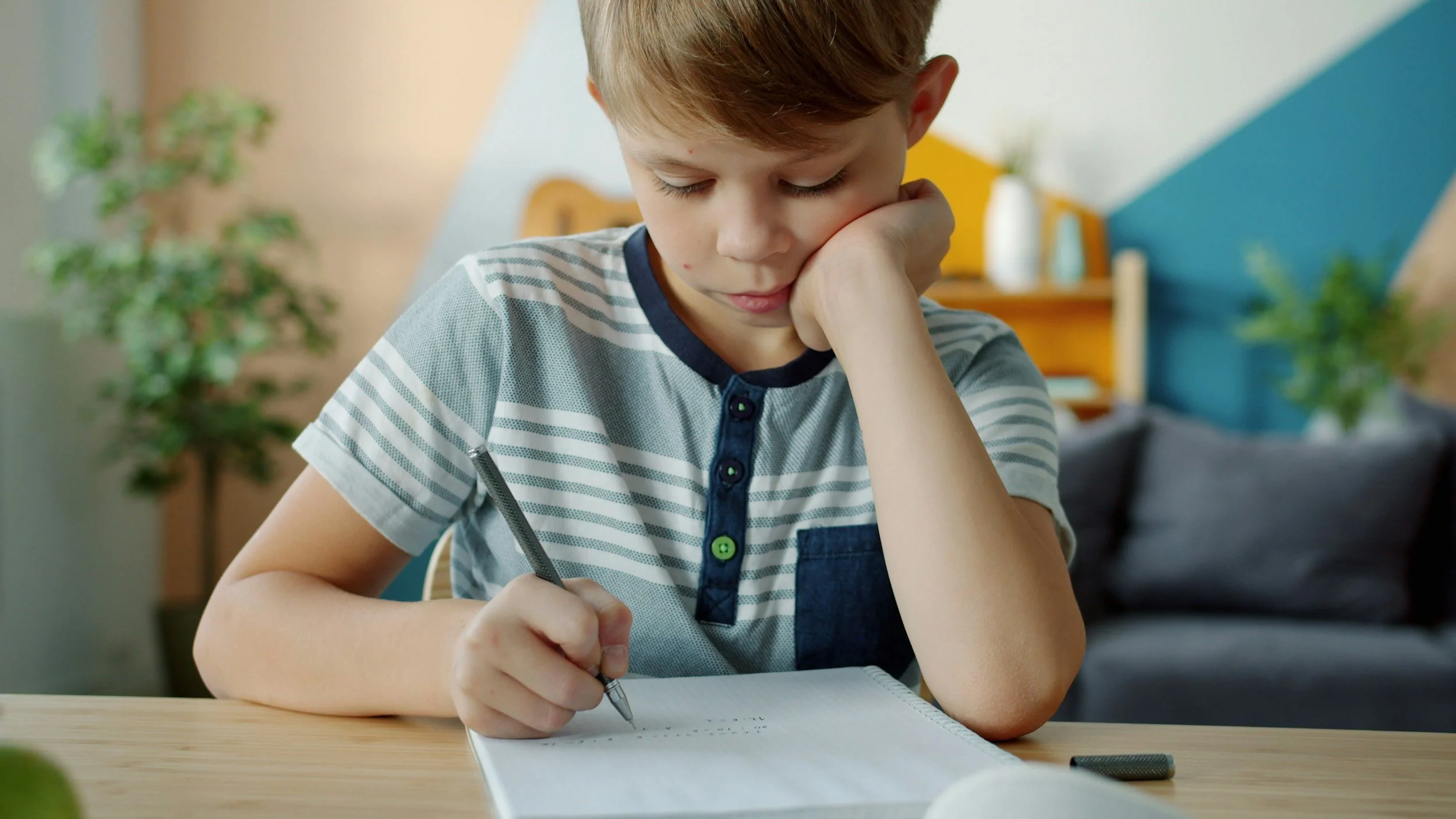
Why Traditional Schools Don’t Work for Every Child: Supporting Sensitive and Neurodivergent kids
Does your child struggle in traditional school settings?
Perhaps they come home exhausted, overwhelmed, anxious, or frustrated. Maybe they are highly sensitive, neurodivergent, introverted, gifted, ADHD, dyslexic, autistic, or simply seem to learn and experience the world differently than their peers.
If so, you're not alone.
Many children thrive outside of the conventional educational model. The good news is that struggling in a traditional classroom does not mean something is wrong with your child. In my opinion, it simply means the environment isn't the right fit for how they learn, process information, and interact with the world.
When my daughter was in school, I saw her struggle with the long days, the constant noise, and overwhelming energy of the group dynamics.
As a former public school teacher, I witnessed many of my students overwhelmed with the long day of expectations.
Why Traditional Schools Don't Fit Every Child
The modern school system was largely designed during the Industrial Revolution to prepare large groups of children for standardized work environments. While many students do well in this setting, it often overlooks the unique needs of sensitive and neurodivergent learners.
A "one-size-fits-all" approach can leave many children feeling misunderstood, overwhelmed, or disconnected from their natural strengths.
Sensory Overload and Overstimulation
For many sensitive and neurodivergent children, a typical school day can be exhausting.
Bright fluorescent lights, crowded hallways, loud cafeterias, constant transitions, and the expectation to stay focused in busy environments can overwhelm the nervous system.
What may seem like a normal school day to one child can feel like navigating a sensory obstacle course for another.
Limited Individualization
Every child learns differently.
Some need extra time to process information before answering questions. Others learn best through movement, creativity, hands-on experiences, or visual learning. Unfortunately, large classrooms often make it difficult to provide the level of individualized support many students need.
As a result, children may begin to believe they are "behind" when they simply learn differently.
Social Pressure and Constant Comparison
Traditional schools often place heavy emphasis on academic performance, standardized testing, and social conformity.
Children are frequently compared to their peers, whether academically, socially, or behaviorally. For kids who naturally prefer smaller friend groups, quiet activities, or solitary interests, these expectations can create feelings of inadequacy and self-doubt.
Over time, many children begin masking their true selves in an effort to fit in.
The Benefits of Smaller and Alternative Learning Environments
Many sensitive and neurodivergent children flourish when given a learning environment that honors their individual needs.
Whether through homeschooling, hybrid programs, microschools, learning pods, co-ops, or specialized private schools, alternative educational models often provide:
More Personalized Support
Smaller class sizes allow educators to better understand each child's learning style, strengths, challenges, and interests.
Reduced Sensory Stress
Calmer environments with fewer students can significantly reduce anxiety and overwhelm.
Greater Flexibility
Lessons can often be adapted to match a child's pace, interests, and preferred learning methods.
Stronger Social Connections
Smaller groups create opportunities for deeper friendships and more meaningful interactions without the pressure of navigating large social environments.
Practical Ways to Support Your Child
Whether your child attends public school, private school, or learns at home, there are many ways to support their emotional well-being and confidence.
Reduce Environmental Stressors
Create quiet spaces at home where your child can decompress.
Use softer lighting when possible.
Allow downtime after school before expecting homework or conversations.
Be mindful of sensory triggers such as noise, clutter, or overstimulation.
Allow Extra Processing Time
Many neurodivergent children need additional time to think before responding.
Instead of rushing them, allow pauses in conversations and encourage thoughtful reflection. This helps build confidence and reduces performance anxiety.
Support Emotional Expression
Many sensitive children work hard to hide their emotions in order to fit in.
Encourage healthy outlets such as:
Journaling
Art and creative expression
Time in nature
Movement and exercise
Meditation or mindfulness practices
Heart-centered breathing techniques
These tools help children process emotions rather than suppress them.
Focus on Strengths Rather Than Deficits
Every child has unique gifts.
Many neurodivergent children possess exceptional creativity, empathy, intuition, problem-solving abilities, deep focus, or innovative thinking.
When we focus solely on challenges, we miss the incredible strengths that often accompany different ways of thinking and learning.
Build Self-Love and Self-Trust
One of the greatest gifts we can give our children is helping them understand that they do not need to become someone else to be successful.
They do not need to fit into every box.
They need support, understanding, and opportunities to discover how their unique minds work best.
When children learn to trust themselves and appreciate their differences, confidence naturally follows.
Final Thoughts
Success does not look the same for every child.
Some children thrive in traditional classrooms. Others flourish when given greater flexibility, individualized support, and environments that honor their unique needs.
If your child struggles in school, remember that their challenges do not define them. Often, the qualities that make them feel different today—sensitivity, creativity, curiosity, deep thinking, or unconventional perspectives—may become their greatest strengths tomorrow.
By creating environments where children feel seen, supported, and valued for who they are, we give them the opportunity to grow into confident, resilient, and authentic adults.
Need Additional Support?
I specialize in helping sensitive, introverted, and neurodivergent children and teens build confidence, develop emotional regulation skills, strengthen friendships, and learn to trust their unique gifts.
If you're looking for personalized support for your child, I'd love to help. CONTACT ME HERE or SCHEDULE A FREE CONSULTATiON

Helping Sensitive & Neurodivergent Teens Feel Confidence Without Forcing Them to ‘Fit in’
Do you worry about your teen fitting in with other teens?
I definitely understand. As a parent, I’ve always wanted my daughter to feel comfortable being herself while also having meaningful friendships and connections. When she was younger, I found myself constantly reaching out and looking for opportunities for her to make friends because growing up, I had a large social circle myself.
Over time, though, I began to realize that she is very different from me and that’s perfectly okay.
My daughter is an introverted, sensitive teen who needs a lot of alone time to decompress after social interactions. I’ve observed that she is completely content with just one or two close friendships instead of a large group of friends. I’ve realized over time that helping her feel more confident is not about pushing her to become more social or more like everyone else. Instead, I need to guide her to feel comfortable and confident in who she naturally is without the pressure of social circles.
Why Some Teens Struggle to Fit in.
Sensitive and neurodivergent teens often process emotions, social situations, and environments differently than other kids. Large group dynamics, constant social interaction, loud environments, and unspoken social pressures can feel emotionally exhausting or overwhelming for them.
Some teens genuinely do not desire a large friend group at all. Many are happiest with a few deep and meaningful friendships, while others are perfectly content spending time alone pursuing their own interests and passions.
I’ve also noticed that many sensitive teens are less influenced by society’s expectations and social trends. They often think independently, question things deeply, and may not feel drawn to follow what “everyone else” is doing. While this can sometimes make them feel different, it can also become one of their greatest strengths later in life.
Because many sensitive teens feel deeply and observe so much around them, they may hold back parts of themselves in social situations out of fear of judgment or not feeling fully understood. This is why building authentic confidence is so important. True confidence grows when teens feel emotionally safe enough to be themselves, not by trying to fit into the norm and expectations of certain social groups.
Why Forcing Kids to Fit in Can Hurt Their Confidence
As parents, we sometimes don't realize that our efforts to help can actually send an unintended message. We want our kids to fit in because we don't want them to feel lonely, isolated, or left out. Most of us remember how painful it can feel to be different, and naturally, we want to protect our children from that experience.
But sometimes, in our desire to help them fit in, we may unintentionally communicate that who they are isn't enough.
Many sensitive and neurodivergent teens already feel different from their peers. When they receive the message—whether directly or indirectly—that they should act more "normal," be more outgoing, or be interested in the same things as everyone else, they may begin to hide parts of themselves in order to gain acceptance.
This is often called masking. Teens may suppress their natural personality, opinions, interests, or emotional needs because they fear being judged or rejected. While masking can help them blend in temporarily, it often comes at a cost.
Over time, teens who feel pressured to fit in may become people-pleasers, constantly looking to others for approval rather than trusting themselves. They may dim their light, silence their voice, and disconnect from the unique qualities that make them who they are.
When young people lose touch with their authentic selves, they often experience increased anxiety, self-doubt, emotional exhaustion, and feelings of not belonging. They may look like they fit in on the outside while feeling disconnected and lonely on the inside.
True confidence grows when teens learn that they are valuable exactly as they are. Confidence develops when they feel safe expressing their thoughts, honoring their emotions, embracing their unique gifts, and trusting their own inner wisdom.
Ways Parents Can Help Teens Build Confidence
Stop focusing on social success
We often think confidence means our teens are effortlessly fitting into social circles. In reality, confidence flourishes when we help them celebrate their curiosity, kindness, emotional awareness, and unique ways of thinking outside of social groups.
Help them discover their unique gifts
Teens need space to explore what lights them up. Whether it’s their natural way with animals, a love for drawing or singing, or a talent for helping others, they build confidence when they recognize their strengths and feel valued for them.
Teach emotional regulation skills
As an emotional coach, I help teens discover tools that work uniquely for them. Encourage your teen to try different methods—breathing techniques, journaling, EFT, Qigong, or other somatic practices. Let them experiment to find what brings them emotional balance.
Model self-acceptance
Teens watch what we do more than what we say. When they see us embracing our own quirks and imperfections, it gives them permission to accept themselves too.
Avoid rescuing too much
It’s natural to want to step in and solve every challenge for your teen. But confidence often grows when they face manageable struggles and learn they can overcome them. Be a supportive guide and at the same time allow them space to problem-solve and bounce back.
Help teens discover their inner wisdom
Every child has an inner compass that can help guide them toward choices that feel right for them. Encourage them to pause, and notice how different choices feel in their body and heart. When teens learn to listen to their inner wisdom, they become less dependent on external validation and more confident in their decision making.
Your Teen May Not Need to Fit In. They May Simply Need the Right Environment.
Sensitive and neurodivergent teens often thrive with a few supportive and emotionally safe friendships rather than a large social circle. Many are looking for genuine connection, not popularity.
Some of these teens may struggle in traditional school environments, while others do well when they have the right support systems in place. The key is finding environments where they feel accepted, valued, and free to be themselves.
Consider exploring opportunities such as:
Nature programs and outdoor activities
Small, activity-focused clubs and classes
Volunteer opportunities
Creative groups
Spiritual or mindfulness-based communities
Mentorship programs
Homeschool groups and co-ops
Animal-related activities
It is incredibly important that all children feel seen, supported, and emotionally safe in the spaces they spend their time. When teens feel accepted for who they are, they are more willing to express themselves, take healthy risks, and develop confidence in their unique gifts.
Our children need to know that they do not have to earn acceptance by becoming someone they are not. They need to trust that the people who love them will appreciate the qualities that make them unique.
Adolescents show genuine courage when they can stand outside the norm and be true to themselves. And that authenticity is one of the greatest gifts they can offer both themselves and the world around them.
Key Points to Remember
Your sensitive teen's traits may become some of their greatest strengths later in life.
Deep feelers often grow into compassionate healers, creators, wayshowers, and change-makers.
Confidence grows slowly through self-trust, emotional safety, and supportive connections.
Your teen does not need to become more like everyone else. They need the freedom and support to expand into their authentic selves.
If you are raising a sensitive or neurodivergent teen, it can be difficult to watch them struggle with confidence, friendships, or feeling different from their peers. As parents, we naturally want to protect our children from pain and help them feel accepted.
But perhaps the goal isn't helping them fit in.
Perhaps the goal is helping them trust themselves.
When we encourage our teens to embrace their unique gifts, honor their emotions, listen to their inner wisdom, and build relationships that feel safe and supportive, we help them develop a confidence that comes from within. This kind of confidence is not dependent on popularity, approval, or fitting into a particular group. It is rooted in self-acceptance and self-trust.
Your teen's sensitivity or different way of functioning is not a weakness. Their unique way of seeing and experiencing the world is not something that needs to be fixed. With the right support, these qualities can become some of their greatest strengths.
As parents, one of the greatest gifts we can offer our children is the freedom to become fully and authentically themselves.
Need Additional Support?
If your teen or preteen struggles with confidence, emotional overwhelm, anxiety, friendships, or feeling different from their peers, know that they are not alone.
I provide heart-centered coaching and emotional wellness support for sensitive and neurodivergent preteens and teens. Through emotional regulation tools, confidence-building practices, mindfulness, and human design guidance that honors each child's unique gifts, I help young people develop greater self-trust, resilience, and emotional balance.
To learn more about teen coaching or schedule a discovery call, visit SharonMarieHudson.com.
Together, we can help your teen build confidence by embracing their authentic self and learning to love who they truly are.
Sharon Marie Hudson, M.Ed., is a HeartMath Coach, educator, and teen confidence and emotional regulation coach who helps sensitive and neurodivergent preteens and teens develop emotional resilience, self-trust, and confidence through heart-centered coaching and intuitive guidance.

How to Help Introverted and Sensitive Teens Manage Emotions
Many sensitive, introverted, and neurodivergent teens feel emotions deeply.
They may shut down, withdraw, overthink, or become easily overwhelmed by situations that others seem to handle easily. Parents often find themselves wondering how to best support their teen during these emotional moments.
Should you give them space? Encourage them to talk? Push them a little more? Step back completely?
Understanding how your teen processes emotions is the first step in helping them feel safe, supported, and empowered.
Understanding the Sensitive and Introverted Teen
What does “sensitive” really mean?
The term “sensitive” is used a lot when describing kids these days. It’s almost a buzz term that is overly used. As a parent, you know your child and you can feel how sensitive they are. Sensitivity is most often a sign of strong intuition and heightened observations of the world around them.
A sensitive teen usually experiences the following:
Feels emotions deeply
Notices subtle energy shifts and social dynamics
Can become overwhelmed by noise, crowds, conflict, or criticism
Needs more time to process thoughts and feelings
Can take things personally
Someone that is sensitive is usually seen as introverted, because they do become overwhelmed with too much stimulation, but that’s not always the case. Some teenagers that are sensitive are social and outgoing but still can become emotionally drained from high amounts of social stimulation.
Others lean toward introversion because quiet space and alone time help them recharge and feels safe.
Characteristics of an introverted teen:
Needs to recharge alone
May enjoy connection but will need recovery time after a certain amount of time
Often thinks deeply before speaking
May seem quiet, but has a deep, colorful inner world
Why Big Emotions Can Seem Overwhelming
The teen years are full of emotional intensity.
There are physical changes, friendship shifts, identity questions, academic pressure, social comparison, hormonal changes, and the growing desire for independence. And a lot of this is happening at the same time.
For sensitive and introverted teens, this can feel like living with the volume turned all the way up.
Their nervous system is often processing more than what is visible on the surface and this is why emotional regulation skills are so important for these sensitive, introverted teens.
When teens understand their emotions and how to manage them, they start to feel safe inside and with a feeling of safety comes an increase in confidence.
Signs Your Teen Needs Emotional Regulation Support
Common signs include:
Shutting down emotionally (almost seems emotionless)
Feels overwhelmed often
Anger that seems sudden
Avoiding social situations
Negative self-talk
Trouble sleeping
Perfectionism (almost seems OCD)
Anxiety around friendships or school
Practical Ways To Help Your Teen Manage Emotions
Normalize feelings
Help your teen understand they are not strange or broken for feeling deeply.
Instead of saying “calm down,” try:
“I’m here for you.”
“You’re safe.”
“It makes sense that you feel this way.”
Validation creates emotional safety.
Teach body awareness
Help them notice tension, tightness, shallow breathing, or racing thoughts.
Emotional regulation begins in the body.
When teens learn to recognize what overwhelm feels like early, they can respond before emotions take over.
Teach simple nervous system tools.
Walking outside in nature, journaling, heart-focused breathing, creative expression, and gentle release movements are just a handful of tools that can help.
Every teen is different and will need to discover which tools ultimately help them feel calm, and grounded.
Respect their need for space.
Let them know you are there without forcing conversation.
Sometimes just being present is enough.
Sensitivity Is a Strength
Sensitive teens are not broken.
They simply need the tools to navigate a world that can feel loud, fast, and emotionally intense.
Helping them grow emotional intelligence allows sensitivity to become a strength.
With support, these teens often grow into deeply grounded, intuitive, and compassionate adults.
And I believe many of these kids are ahead of us in ways (such as telepathy) we are only beginning to understand.
They are deeply connected, highly aware, and often carrying wisdom far beyond their years.
As parents, we are here to support sensitive, introverted and neurodivergent teens in acclimating to this world in their own authentic way. Our role is not to change who they are, but to help them trust themselves, honor their sensitivity, and feel confident in expressing their true nature.
If your teen struggles with overwhelm, confidence, or emotional balance, support is available. Learning emotional regulation skills early can change the way they experience friendships, school, and life itself.
I’d be honored to help guide your teen toward a more balanced, confident, and authentic life. Through emotional regulation tools, heart-centered support, and practical life skills, they can learn to trust themselves and navigate life with greater ease.
Schedule a discovery call to see how we can support your teen’s growth and emotional well-being.
From Silence to Connection: Talking with Your Teen
Do you ever feel like you’re talking to a brick wall when you try to communicate with your teenager?
Do you struggle to get more than a one-word answer or a grunt from them?
I remember being a teenager and dreading my mom or dad trying to ask me questions. I rolled my eyes in annoyance and just gave one-word answers. I felt like they were prying rather than really interested in knowing me. Maybe if I had given them a chance, I could have felt differently, but that’s how most of my teen relationship with my parents played out; eye rolls and prying questions. I’m so sorry Mom and Dad!
Many parents find it hard to connect with their teens, especially in this digital age where teens are often glued to their screens and distracted by social media, games, and other online activities.
But don’t give up hope!
There are ways to break the ice and start a meaningful conversation with your teen, without sounding like a nag, a bore, or a spy. Here are some tips and ideas to help you get your teen talking:
Tip #1: Choose the right time and place
Timing and setting are important factors for a successful conversation. Don’t try to talk to your teen when they are busy, stressed, tired, hungry, or in a bad mood. Instead, look for opportunities when they are relaxed, calm, and open to chat, such as after dinner, during a car ride, or before bed.
You know teens care a lot about how they look in front of others, so it is not a good idea to try talking seriously to your teen in front of their peers.
Tip #2: Be respectful and curious, but not nosey
One of the main reasons why teens don’t want to talk to their parents is because they feel like they are being judged, criticized, lectured, or interrogated, which is what I felt as a teen, hence the eye rolls. To avoid this, you need to be respectful and curious about your teen’s thoughts, feelings, opinions, and experiences.
I know this is difficult but try hard not to tell them what to do, think, or feel. Instead, show genuine interest and curiosity about their world, and listen to them with an open mind and most of all an open and empathetic heart.
Use positive and encouraging words to acknowledge, praise, and support your teen. Use humor, laughter, and compliments to lighten the mood and make the conversation more fun. Use open-ended questions, such as “what”, “how”, and “why”, to invite your teen to share more details and insights.
Tip #3: Use conversation starters that spark interest and engagement
Sometimes, the hardest part of a conversation is finding a topic that both you and your teen can relate to and enjoy. If you ask the same boring questions that barely get a one-word reply, such as “How was school?” or “What did you do today?”, you’re not going to get very far.
Instead, you need to use conversation starters that spark interest and engagement, and that allow you to learn more about your teen’s personality, interests, passions, goals, and challenges. Here are some examples of conversation starters that you can use to talk with your teen:
What made you smile today?
What irritated you today?
What do you have hope for?
If you could change one thing about the world, what would it be and why?
If you could travel anywhere in the world, where would you go?
What makes you laugh? Has anything happened lately that made you laugh so hard your stomach hurt?
If you could meet anyone, alive or dead, who would you meet and what would you ask them?
What is something you’d like to know more about?
What music are you listening to lately?
Where do you see yourself in 5 years?
If you could change something about your school, what would you change?
Do you ever feel jealous?
What is something you wish you could do?
Which one of your friends makes you feel the most comfortable?
Tip #4: Follow up and follow through
A conversation is not a one-time event, but a continuous process of building trust, and connection. Keep the connection going with little moments of connection.
Follow up by showing interest and curiosity in what your teen has shared with you. Ask them how things are going, what they have learned, or how they feel about the topic. Give them feedback, encouragement, or advice, if appropriate. Share your own thoughts, feelings, or experiences, if relevant.
Follow through by taking action on what your teen has shared with you. If they have asked you to do something, do it. If they have told you something important, remember it. If they have expressed a need, meet it. If they have shown appreciation, reciprocate it.
By following up and following through, you show your teen that you care about them, that you respect them, and that you value their conversation.
Talking to your teen may not be easy, but it is worth it. Even if they block you with one word answers, keep trying! By using these tips and ideas, you can start a meaningful conversation with your teen, and strengthen your relationship with them. Remember, the more you talk to your teen, the more they will talk to you. So don’t be afraid to start the conversation, and enjoy the journey of getting to know your teen better.
Parent Transparency: Arguing Constructively in Front of Preteens
It
Navigating the realm of parenting preteens comes with its unique set of challenges and learning curves. One of the more delicate aspects involves handling disagreements between parents in front of their children. It's a common misconception that all parent arguments must be hidden. However, displaying constructive conflict resolution can be a powerful lesson for preteens, teaching them about communication, empathy, understanding, and growth.
Understanding the Impact of Arguments on Preteens
When parents engage in arguments, the emotional atmosphere of the home changes, leaving a significant imprint on preteens. During this pivotal stage of development, preteens are forming their own identities and understanding of interpersonal relationships. Witnessing conflict between their parents or primary guardians can shape their perspectives on communication and problem-solving in profound ways. If disputes are characterized by anger, hostility, or unresolved tension, preteens may internalize these behaviors, leading to anxiety or mimicking such conflict styles in their own interactions. Conversely, seeing parents navigate disagreements with respect and empathy can instill a sense of security and teach them constructive methods for handling their own disputes. The key is the manner in which parents conduct their arguments. Emphasizing problem-solving and mutual respect over winning an argument not only protects preteens from potential emotional harm but also equips them with the tools to build healthy relationships outside the family. As such, the impact of parental arguments on preteens extends beyond the immediate emotional response, influencing their long-term emotional health and social development.
Setting Ground Rules for Healthy Verbal Disagreements
To foster a constructive environment for arguments in front of preteens, parents must implement clear guidelines before any disagreement begins. Talk to your spouse or partner while you are not in disagreement and set up boundaries and expectations for a future argument. Here are some ideas to discuss as guidelines with your spouse/partner.
Commit to communicate in a manner that's devoid of personal attacks or negative language, thereby ensuring the focus remains on the issue rather than getting into unproductive criticism.
Use "I feel" statements. This allows parents to convey their emotions without attributing blame, fostering a culture of understanding rather than accusation.
Recognize when emotions are about to boil over and agree to pause the discussion. This pause in discussion can prevent conversations from escalating into harmful territory. Such measures not only serve to maintain the integrity of the parental relationship in the eyes of their preteens but also exemplify the principles of respect and self-discipline.
Importantly, these guidelines are not just rules to be followed but are valuable lessons in communication and emotional regulation that preteens will carry into their own lives. Establishing and adhering to these ground rules is a proactive step towards ensuring that every dispute, regardless of the topic, is approached with the intention of constructive resolution, setting a positive example for preteens to emulate in their interpersonal interactions.
Emphasizing the Importance of Communication and Listening
In front of preteens, parents have a prime opportunity to showcase the art of communication, a skill pivotal for the resolution of any disagreement. This requires each parent to engage not just in expressing their viewpoints, but in giving undivided attention to what the other is saying. Active listening goes beyond hearing words; it involves interpreting tone, understanding non-verbal cues, and acknowledging the other person’s perspective. Demonstrating this level of attentiveness in discussions models for preteens that every person’s viewpoint holds value, even in the midst of conflict. It’s through this exchange that parents can illustrate the principle that being understood starts with understanding. This mutual respect in communication underscores the notion that empathy is not contingent upon agreement but is a standalone virtue that enriches dialogue. By prioritizing these principles during disputes, parents provide their preteens with a blueprint for constructive interactions, teaching them that respect and understanding are the bedrock of effective communication.
Showing Conflict Resolution in Action
By actively resolving disagreements in front of their preteens, parents can offer a live demonstration of the negotiation and compromise process. This vivid illustration can be far more impactful than theoretical discussions about conflict resolution. For example, when parents openly discuss each other's viewpoints, negotiate compromises, and eventually find a resolution that works for both parties, they are not just solving a personal dispute but are engaging in a real-time educational session for their preteens. This process may include brainstorming solutions together, weighing the pros and cons of each option, and demonstrating flexibility and willingness to adjust one's stance for the greater good of the relationship. Observing such dynamics teaches preteens that resolving conflicts often involves creativity, patience, and the ability to see beyond one's immediate desires. Furthermore, when parents verbalize their thought processes, explaining why they are willing to compromise or how they have come to understand the other's perspective, it adds depth to the lesson. This openness transforms the resolution process into a dialogue that preteens can learn from, showing them that finding common ground is not just possible but preferable. Through these actions, parents underscore the value of teamwork and mutual respect, setting a powerful example for their children on how to handle disagreements constructively.
Reinforcing the Strength of Relationships Post-Argument
After a resolution has been reached, it’s pivotal for parents to visibly mend the emotional landscape of the home, offering a strong model of reconciliation for their preteens. This phase of the argument process is as instructive as the dispute itself, illustrating that love and respect can endure despite disagreements. Actions such as embracing, verbal affirmations of love, or engaging in a shared family activity can manifest the ongoing strength and commitment within the parental relationship. These gestures not only dispel any lingering uncertainties preteens might have about the stability of their family but also impart a crucial lesson about the resilience of relationships. Demonstrating how to graciously accept responsibility for one's part in a disagreement, whether through a sincere apology or an acknowledgment of the other's feelings, reinforces the values of humility and accountability. This teaches preteens that mistakes and misunderstandings are natural, but the manner in which individuals navigate these moments can fortify relationships rather than weaken them. Such visible demonstrations of unity and affection following disputes underscore the message that, while conflicts are a part of life, the capacity for reconciliation and growth remains paramount in maintaining healthy, loving relationships.
Knowing When to Argue Out of Earshot
There are moments in every family's life when discretion becomes paramount, particularly in the context of disagreements between parents. Certain discussions—those revolving around intensely personal issues, financial difficulties, or matters that could evoke undue distress—warrant privacy. The judgment to discern which conversations are not suitable for preteen ears is a critical aspect of responsible parenting. This discernment ensures that while preteens are privy to constructive conflict and its resolutions, they are spared from potential harm that could arise from exposure to more complex adult concerns. It is essential to create a safe space where children feel secure and supported, not burdened by adult problems beyond their comprehension or emotional capacity. Thus, by carefully selecting the disputes that are navigated openly, parents safeguard their children’s emotional well-being. This thoughtful approach strikes a balance, allowing parents to be transparent and educational in their conflict resolution while protecting preteens from the weight of adult issues. Through this practice, parents reinforce the lesson that not all conflicts are public matters, teaching preteens the importance of discretion and the value of privacy in certain aspects of life.
Navigating Through Preteen Emotions: A guide to Anger Management
It all begins with an idea.
Navigating through the complex world of preteen emotions can be a daunting task for both parents and their children. As children edge closer to their teenage years, the emotional landscape becomes increasingly intricate, with anger often surfacing as a predominant feeling. Understanding and managing these emotions in preteens is crucial for their emotional development and well-being. Embracing effective strategies for preteen anger management can pave the way for healthier emotional regulation and happier preteen years.
Understanding the Root of Preteen Anger
Preteen anger can emerge from a variety of sources that are often interconnected with their rapid developmental changes. These years are marked by significant physical, emotional, and social transitions, which can feel overwhelming and lead to feelings of anger. For instance, preteens might experience frustration due to increased academic pressures or social dynamics that shift as friendships evolve. They may also struggle with a heightened desire for independence clashing with parental controls, leading to feelings of injustice or being misunderstood. It’s helpful for parents or caretakers to recognize these potential triggers and approach them with empathy and openness. By creating an environment where preteens feel safe to share their challenges, parents can better understand the specific factors contributing to their child's anger. This understanding is foundational in helping preteens navigate their feelings and develop effective strategies for managing their anger. Engaging in open dialogues without judgment encourages preteens to express their frustrations and understand that their feelings are valid, setting the stage for constructive anger management practices.
Developing Self-Awareness Through Emotional Journaling
Journaling during my teen years saved me from living every day as an angry and grumpy teen. Emotional journaling stands as a potent technique for preteens to navigate their complex feelings. By dedicating time each day to jot down emotions, triggers, and responses to anger-provoking situations, preteens embark on a journey of self-discovery. This habit not only aids in the externalization of feelings that might otherwise remain bottled up but also paves the way for recognizing recurring emotional patterns. Encouraging preteens to reflect on their writings can illuminate the triggers of their anger and offer insights into healthier coping mechanisms. To facilitate this process, suggest they explore questions in their journal such as, "What was happening around me when I felt angry?" and "How did I wish I had responded?" This reflective practice fosters a deeper understanding of their emotional triggers and responses, guiding them towards more mindful reactions in future encounters. By investing in emotional journaling, preteens develop a critical tool for self-awareness and emotional intelligence, key components in the landscape of effective anger management.
Click here for a free printout to help preteens begin emotional journaling.
The Power of Breathing, Mindfulness, and HeartMath Techniques
Introducing preteens to breathing and mindfulness techniques offers an effective strategy for immediate emotional regulation. When anger begins to bubble up, guiding preteens to focus on their breath can serve as an immediate calming mechanism. A simple exercise involves inhaling deeply through the nose, holding the breath for a count of four, and then slowly exhaling through the mouth for a count of four. This process can be repeated several times until a sense of calm is restored.
Incorporating mindfulness into daily routines also prepares preteens to deal with anger more thoughtfully. Engaging in activities like guided meditation or moving meditations such as mindful walking, qigong, or yoga, encourages a deeper connection with their present state of mind. This awareness builds a foundation for recognizing the early signs of anger and addressing them proactively. Additionally, allocating moments to practice mindfulness throughout the day – such as during a morning routine or before bedtime – establishes a consistent habit that reinforces emotional resilience.
Mindfulness and meditation can also serve as a means for the preteen to connect to their inner compass. When they have quiet time to breathe and go within, they can find love and compassion for themselves and the world around them
HeartMath is an organization that has created some helpful tools for emotional resiliency such as heart-focused breathing which involves taking deep breaths while imagining breathing in and out of the heart. To learn more about HeartMath techniques, schedule a session here.
Together, these practices equip preteens with immediate and accessible tools for navigating the complexities of their emotions, empowering them to face anger with calmness and clarity.
Enhancing Communication Skills to Express Anger Constructively
Fostering constructive expression of anger is essential for preteens, guiding them toward healthier emotional interactions. Emphasize the importance of "I feel" statements to enable preteens to express their emotions without assigning blame. For instance, transforming expressions of frustration from “You always ignore me!” to “I feel hurt when I believe my voice isn’t being heard.” can shift the tone of a conversation and lead to more productive outcomes.
Incorporating role-play scenarios at home serves as a dynamic approach to practicing these communication techniques. This exercise allows preteens to explore various ways of articulating their feelings in a controlled, supportive environment, preparing them for real-life situations. Through such practice, they learn the art of expressing anger in a manner that is clear, calm, and constructive, thus enhancing their communication skills and emotional intelligence. Engaging in these exercises regularly reinforces the understanding that while anger is a natural emotion, the way it is expressed can significantly influence the resolution of conflicts and the maintenance of healthy relationships.
Creating an Anger Management Plan
Crafting a personalized anger management plan offers a strategic approach for preteens to address their emotions with intention. This plan acts as a roadmap, detailing proactive strategies for identifying early signs of anger, techniques to regain composure, and methods for articulating feelings in a constructive manner. To start, involve preteens in the creation process, asking them to pinpoint situations that typically ignite their anger and to list their preferred calming techniques, such as specific breathing exercises or engaging in a preferred quiet activity. Then, outline clear steps they can take when they notice anger emerging, ensuring these steps are practical and easily remembered in the heat of the moment.
Preteens need to practice the tools regularly and not just when they feel triggered with anger because the brain can not make healthy decisions when they are feeling intense emotions. When they practice their tools daily, the brain can bring up the tools as an option when needing to calm down.
Additionally, the plan should encourage the practice of expressing emotions using "I feel" statements, reinforcing the communication skills discussed previously. Regularly reviewing and adjusting the plan together can also help keep it relevant and effective, adapting to the preteen's evolving needs and experiences. This collaborative effort not only empowers preteens to take control of their emotions but also fosters a supportive environment where they feel understood and equipped to manage anger constructively.